VCSEL vs. Traditional IR Lasers: The Future of Low-Light Illumination
VCSEL vs. Traditional IR Lasers: The Future of Low-Light Illumination
When you are navigating under night vision, ambient light is your best friend. But when the moon drops behind the clouds, or you push deep into dense tree cover, passive light amplification isn't always enough. You need active infrared illumination.
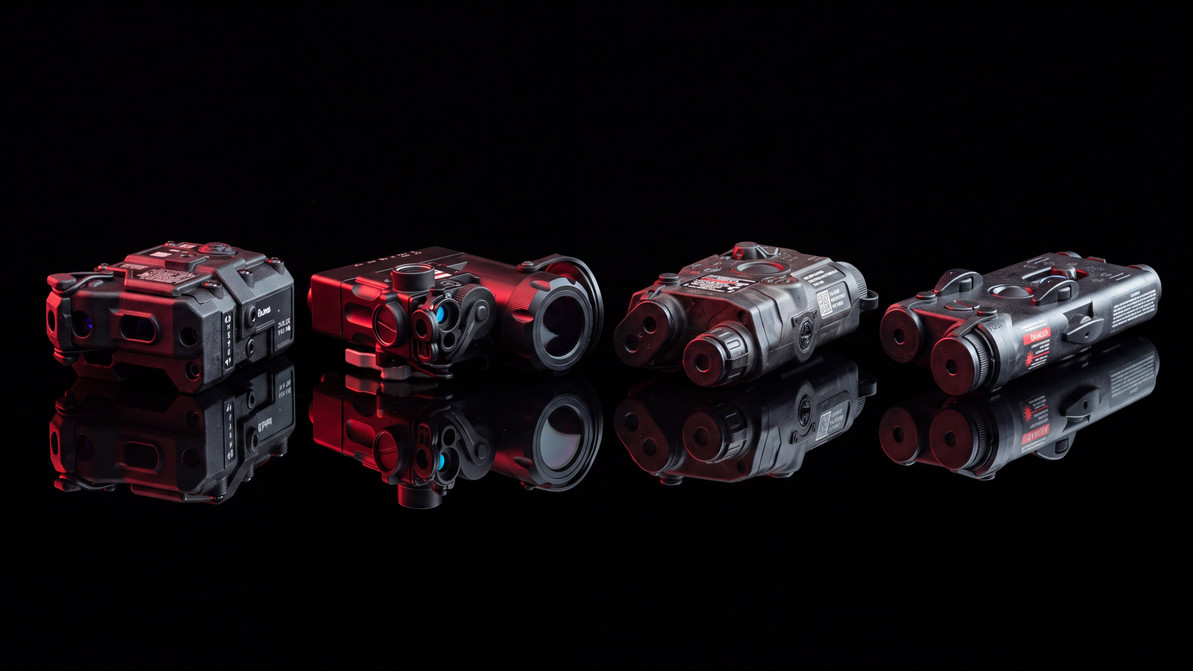
For decades, the standard for punching through the dark relied on traditional edge-emitting lasers or bulky LED diodes. While these legacy tools got the job done, they often came with severe compromises: massive physical footprints, highly visible downrange signatures, or "dirty" beams full of shadows and speckling.
Today, a massive technological leap has been reshaping low-light observation: VCSEL (Vertical-Cavity Surface-Emitting Laser) technology. Let's break down exactly why legacy tech is showing its age and why VCSEL systems—like the Sentinel-One—are the undeniable future.
The Legacy Heavyweights: Where Traditional Tech Falls Short
If you have spent time under analog night vision, you are likely familiar with the big three legacy illumination technologies. While historically significant, they each carry inherent limitations when compared to modern engineering.
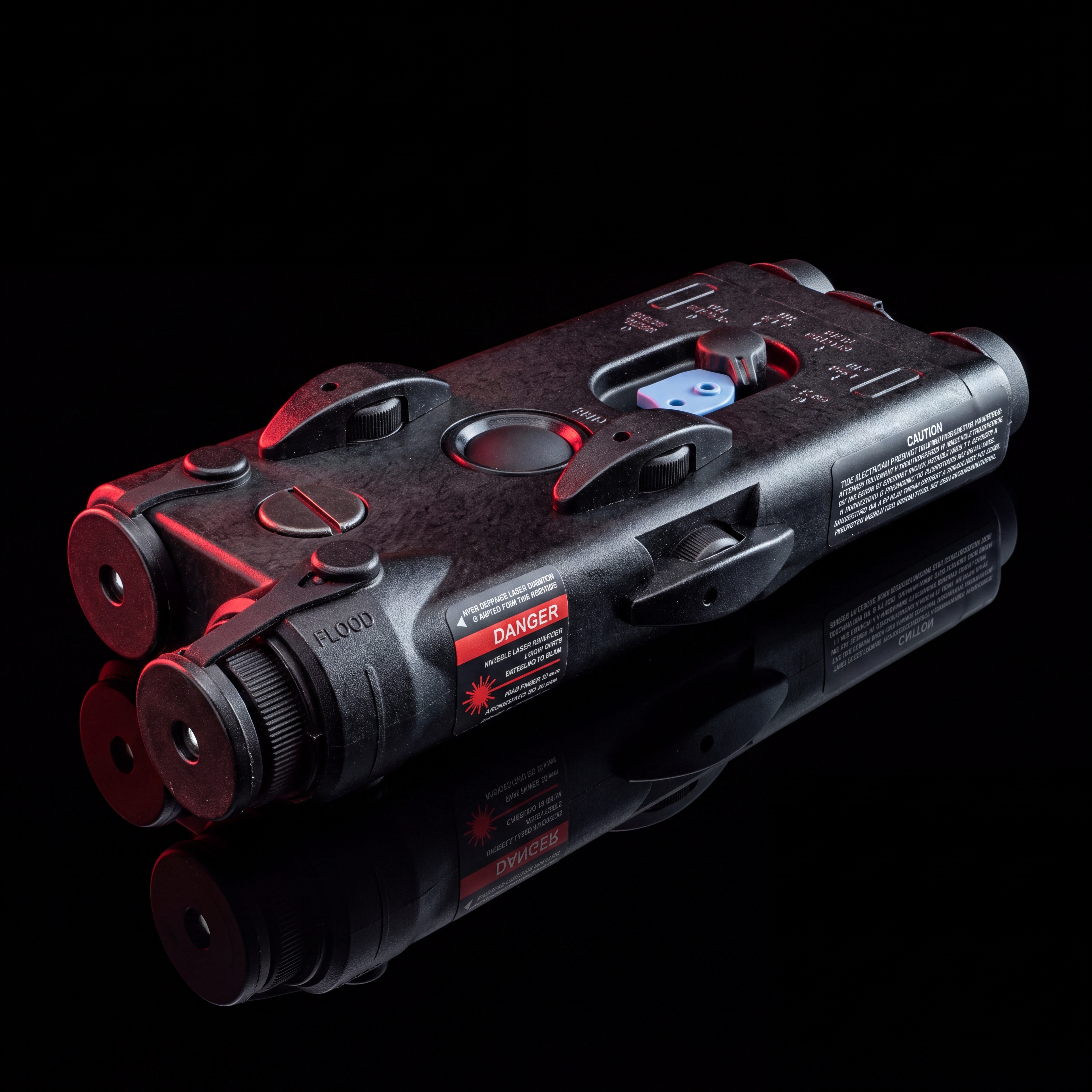
- The AN/PEQ-2: The Artifact Generator The PEQ-2 is a legendary piece of history, utilizing traditional edge-emitting laser diodes. However, traditional lasers are infamous for producing a "dirty" beam. When you shine a PEQ-2 against a tree line, you will notice severe speckling, dark spots, and or "petaling" (rings of light bleeding outside the center). This uneven beam profile creates shadows that can obscure vital details in your field of view.
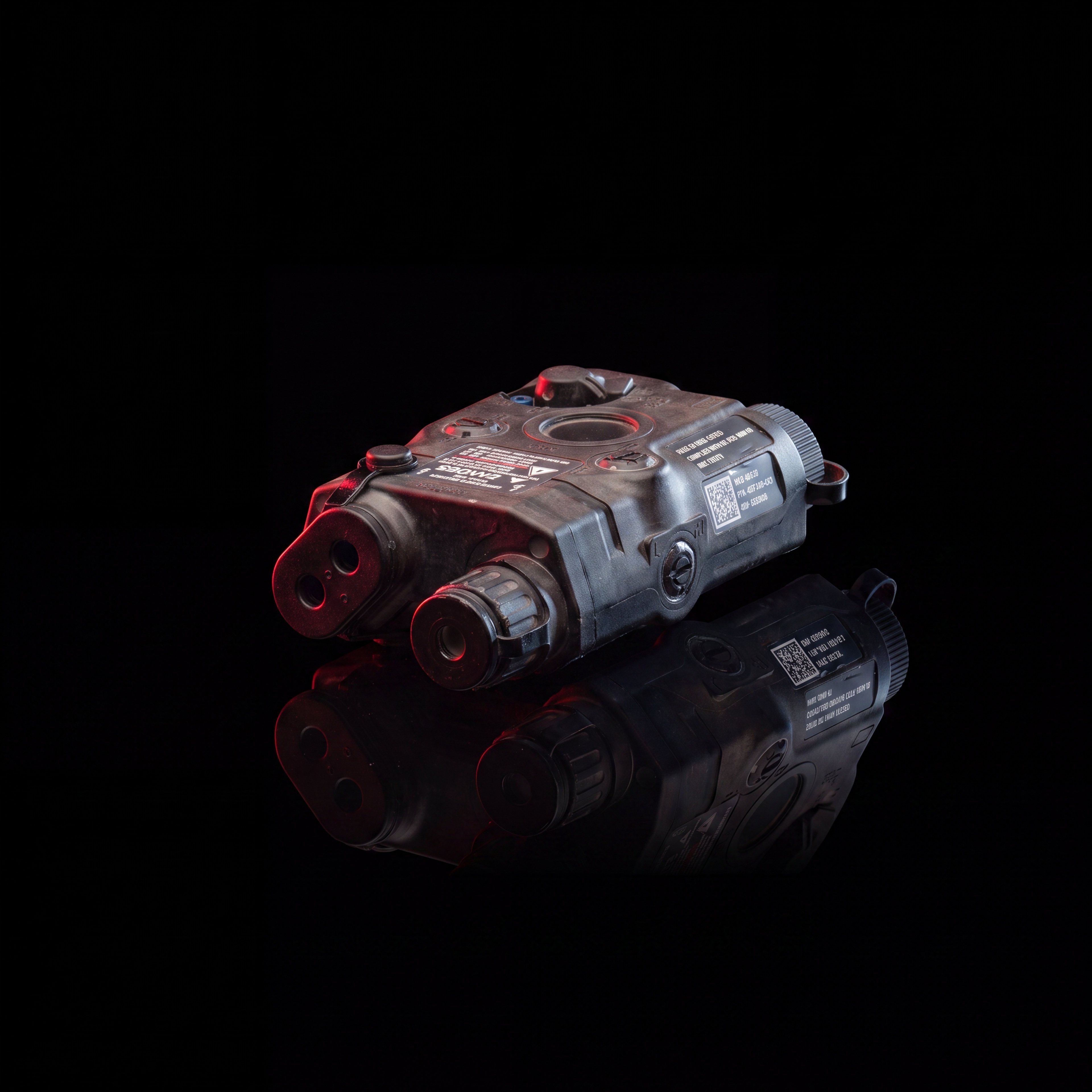
- The ATPIAL-C: The Power Cap The commercial variant of the military PEQ-15, the ATPIAL-C, remains incredibly popular for its form factor. Unfortunately, due to strict commercial output regulations on traditional IR lasers, the civilian ATPIAL-C features a notoriously weak, fixed-beam illuminator. Past 50 to 75 yards, the illumination struggles to overpower ambient environmental light, severely limiting your long-range navigation capabilities.
- The Steiner DBAL-D2: The LED Compromise To get around the commercial power limitations of traditional lasers, the Steiner DBAL-D2 utilizes a massive infrared LED rather than a laser diode. While this produces a highly powerful and clean beam, it comes with two massive penalties: weight and signature. The DBAL-D2 is exceptionally bulky, and the massive LED emitter produces a highly visible red glow that can be easily seen with the naked eye from downrange, compromising your position.
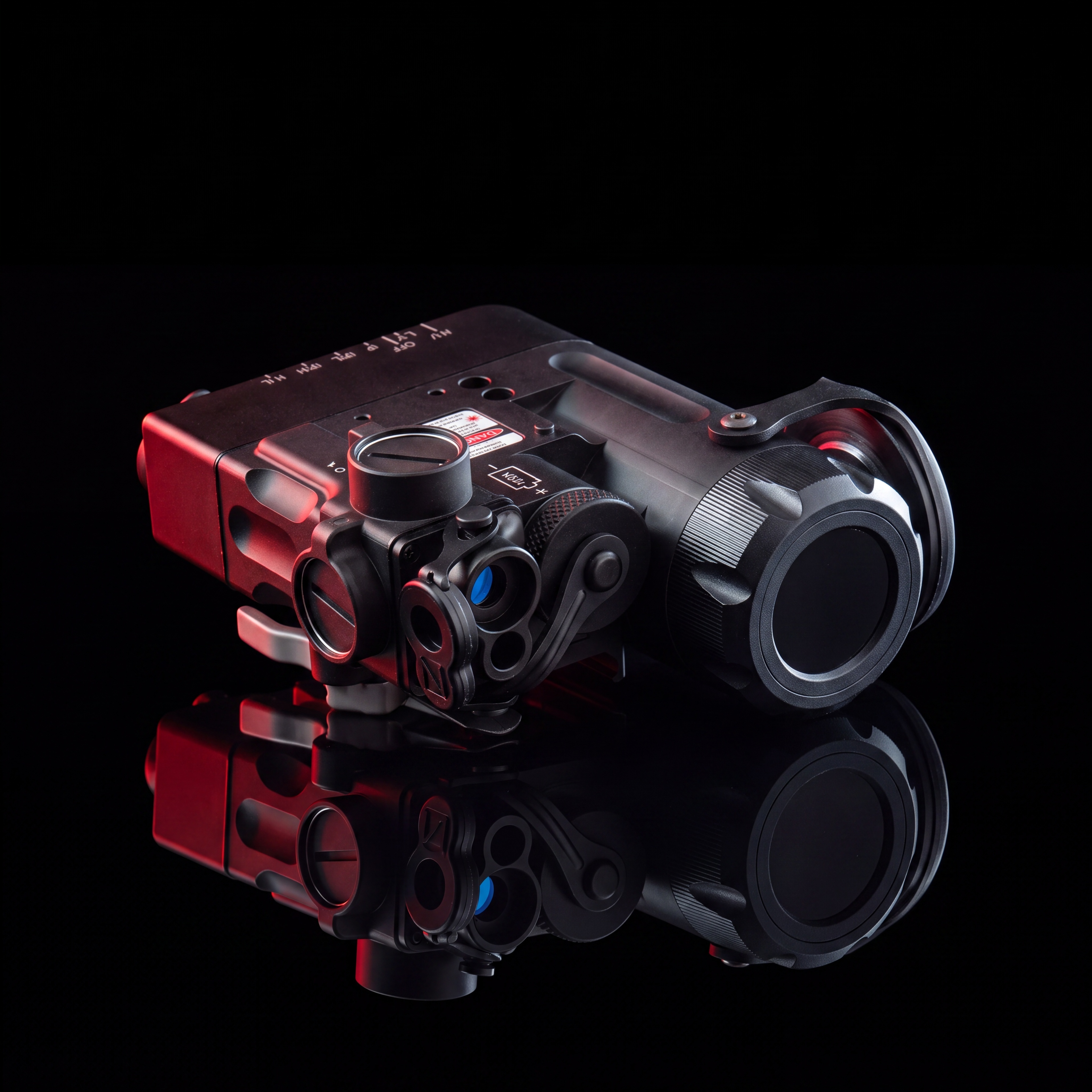
The VCSEL Revolution: Clean, Powerful, and Undetectable
VCSEL completely rewrites the rules of IR illumination. Instead of firing light from the edge of a diode (which causes artifacts) or relying on a giant glowing LED, VCSEL emits perfectly uniform laser light vertically off the surface of a microchip.
The result is a beam profile that must be seen to be believed:
- Perfectly Clean: No petaling, no speckling, and no dark spots. The beam is a perfectly uniform circle of infrared light from edge to edge.
- Immense Output: VCSEL technology achieves staggering illumination ranges that completely dwarf traditional commercial lasers, easily punching out past 200+ yards.
- Zero Visible Signature: Unlike the DBAL-D2, a VCSEL illuminator does not produce a massive, glowing red LED signature. It remains incredibly stealthy.
Enter the Sentinel-One and "The Flight of Lasers"
At US Night Vision, we believe in equipping our end-users with peak operational capability, which is why we are transitioning aggressively toward VCSEL integration both at home and our end users abroad.
The newly released Sentinel-One represents the absolute pinnacle of this tech. It delivers an ultra-clean, blistering VCSEL IR illuminator housed in a sleek, ruggedized profile that won't weigh down your platform. It completely eclipses legacy systems by offering the raw power of an LED with the stealth and form factor of a micro-laser.
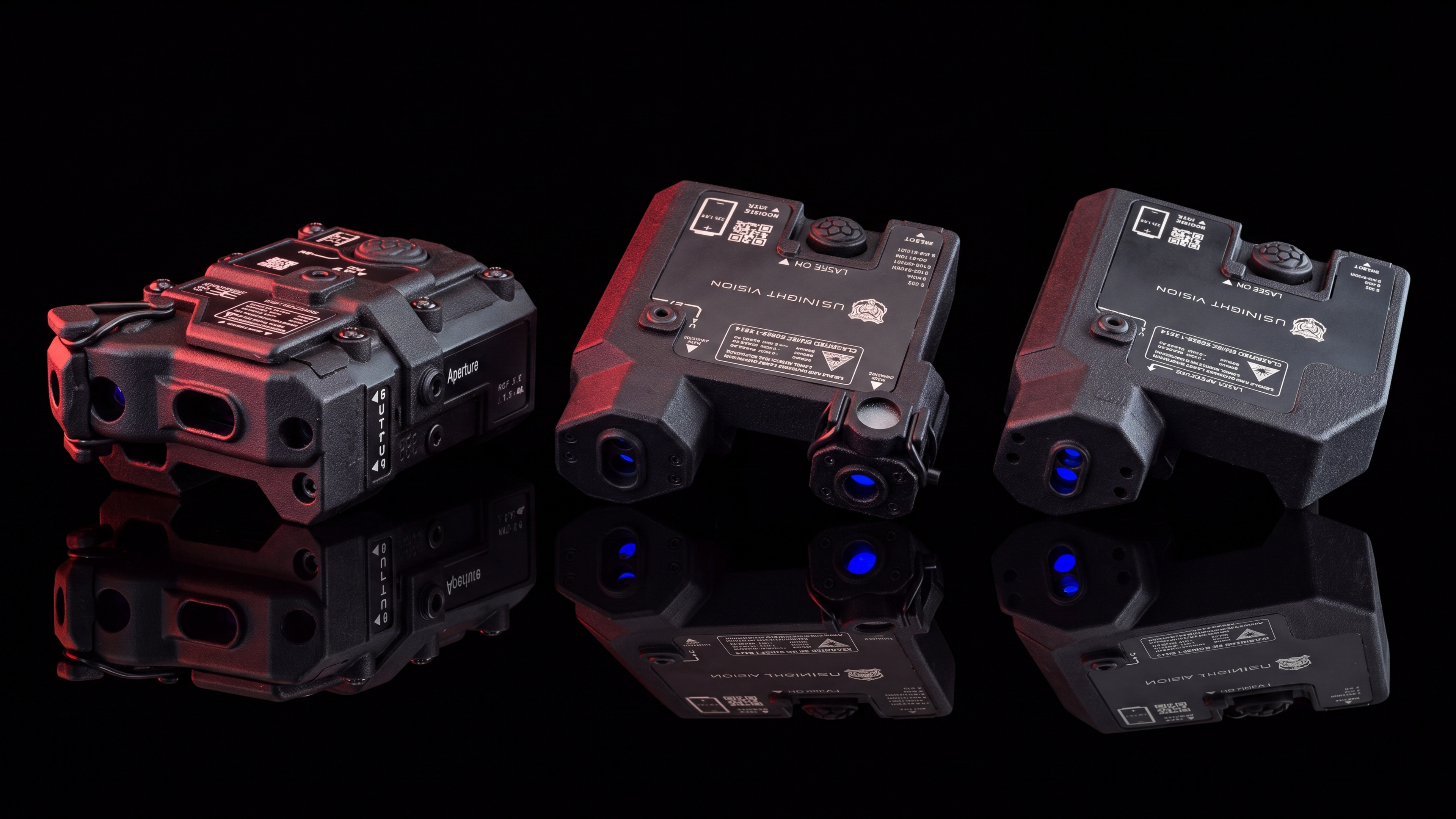
For those looking to completely overhaul their low-light observation setups, we have bundled the ultimate VCSEL experience in The Flight of Lasers Kit. This premium bundle includes the Sentinel-One, the DesignateIR-V, and the DesignateIR, instantly outfitting you with the cleanest, most powerful infrared illumination tools on the market today.
Don't let legacy tech keep you in the dark. Experience the VCSEL difference. Secure the Sentinel-One or grab The Flight of Lasers Kit at USNightVision.com today.
Recent Posts
-
Bump vs. Ballistic Helmets: Ops-Core and Team Wendy Guide
Let's Talk About Helmets: Bump vs. Ballistic (What Do You Actually Need?)You’ve finally done it. You …28th Aug 2026 -
The AI Revolution in Night Hunting: Inside the Nocpix RICO 3 PRO H50R
For the last decade, the evolution of thermal imaging has been mostly a numbers game: higher resolut …27th Aug 2026 -
The Night Ops Ecosystem: What to Buy First—Night Vision, Thermal, or a Laser?
One of the most common—and most difficult—questions we field at US Night Vision is: "I finally have …13th Aug 2026